
Take5
#Take5 #102 Developing and creating a professional development framework for Learning Developers
By Dr Matt Crofts and Kate Coulson This #Take5 is brought to you from Dr Matt Crofts and Kate Coulson. As Learning Developers with a passion for learning and teaching, they are leading a CPD project for ALDinHE to ensure that members have access to high quality CPD resources, events and opportunities to develop the community’s expertise. Develop that! ALDinHE currently offers a professional recognition framework for Learning Developers to achieve either CeP (Certified Practitioner in Learning Development) or CeLP (Certified Leading Practitioner in Learning Development) status. However, ALDinHE does not currently offer formal opportunities for continuing professional development especially for […]

#Take5 #100 Celebrating the work of Sandra Sinfield and Tom Burns
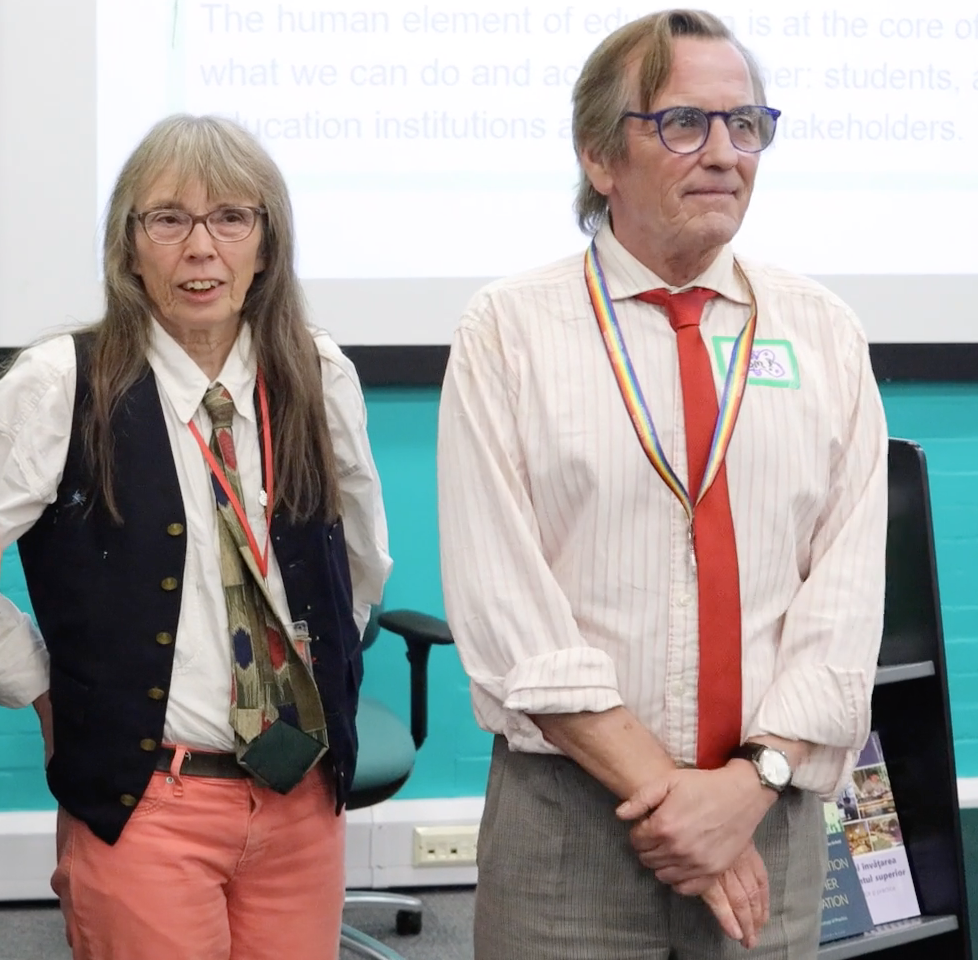
Welcome to the 100th issue of our #Take5 blog. This Take 5 is a special one to recognise and thank, two of the most pioneering and enthusiastic leaders in Learning Development. Sandra Sinfield and Tom Burns are two extraordinary, charismatic and inspirational figures in the changing world for learning development and the people behind the success of this #Take5 blog. Tom and Sandra have a tremendous ability to draw on personal experience to tell stories that, engage and inspire both their students and colleagues. Back in the early 2000s, Sandra and Tom recognised the importance of learning development and inspired […]
#Take5 #99 Welcome to the Amazing World of Reflection and Reflective Practice: What is it and how should we be Supporting Students?
This Take5 is brought to you from Nikki Clarke at Birmingham City University. Nikki is passionate about developing authentic and powerful reflective practices with our students. She has an EdD on the topic – she practises it – she has written books on the subject. Nikki is now sharing her ideas here with us in the hopes of recruiting as many readers as possible to join her new ALDinHE reflective practice Community of Practice (CoP). Please have a read – and let Nikki know if you are interested. Who am I? I am Dr Nicola Clarke. By the way I […]
#Take5 #98 Sharing the Third Space Symposium – through blackout poetry
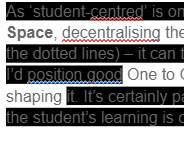
Hanging Off the Edge Tom Burns, London Metropolitan UniversitySandra Sinfield, London Metropolitan UniversitySandra Abegglen, University of CalgaryContact: t.burns@londonmet.ac.uk Image: The Poets: Tom, Sandra S and Sandra A (drawn by Jacqui Bartram, #ALDcon23) It’s third space and blackout poetry: Happy Christmas! In this #Take5 blog post, we are delighted to showcase a Blackout Poem crafted by Tom Burns, with the collaborative support of Sandra Sinfield and Sandra Abegglen, based on a Helen Webster blogpost on conceptualising Learning Development. Our ‘poem’ creation was featured at the Higher Education Third Space Online Symposium on November 8, 2023, organised by the Higher Education Third […]
#Take5 #97 Jisc: Driving digital change in higher education
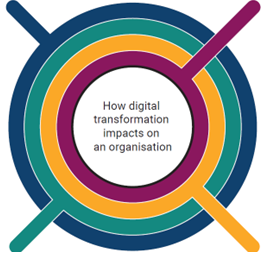
This #Take5 is brought to you from Sarah Knight at Jisc. We asked Sarah to write to us Learning Developers about the recent developments – and especially the current emphasis on digital transformation and how Jisc is working with universities to support them with the development of their digital strategies. Jisc is the UK digital, data and technology agency focused on tertiary education, research and innovation. Jisc is a not-for-profit organisation and provides managed and brokered products and services, enhanced with expertise and intelligence to provide sector leadership and enable digital transformation. Jisc runs the Janet network, the UK’s national […]
#Take5 #96 Fellowship Dialogues: a space for networking, dialogues and getting advice
This #Take5 is brought to you from Dustin Hosseini who works at The University of Glasgow as an Learning Innovation Officer in the Learning Innovation Support Unit where he teaches academics how to create online courses such as MOOCs and microcredentials. He also is one of the co-leads of the University of Glasgow Decolonising the Curriculum Community of Practice. In this post, Dustin shares the impetus for setting up a cross-institutional, transnational community of practice, called Fellowship Dialogues, for those interested in pursuing an AdvanceHE fellowship accreditation – especially if based in a PSD (professional services department). This piece is […]
#Take5 #95 DUNCE! A Mature Student’s Journey to Learning Development and Support by Luke Basford
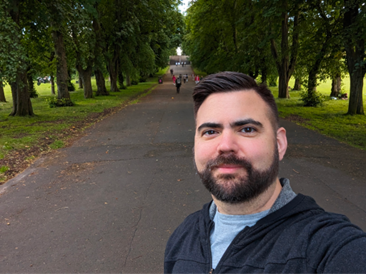
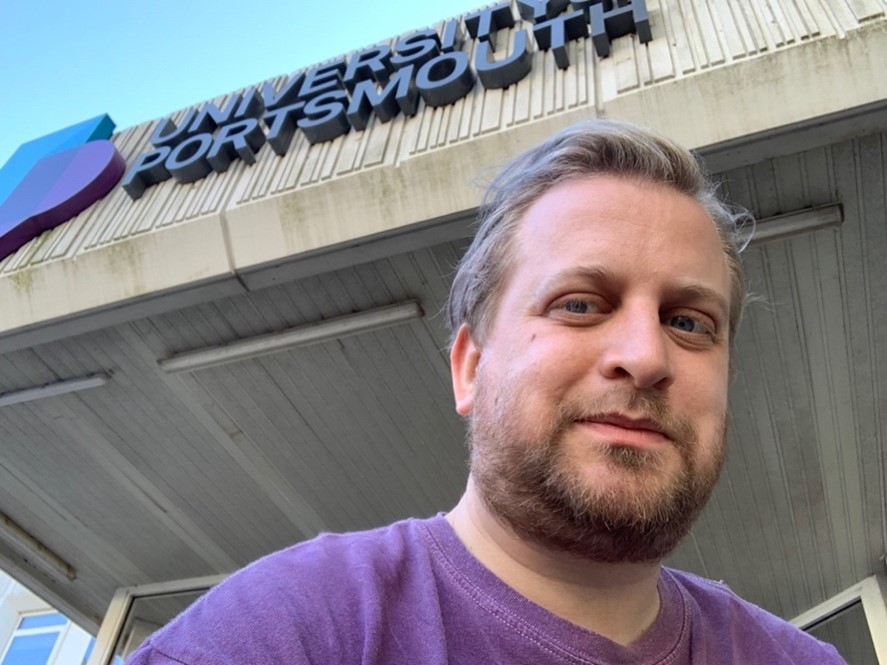
This #Take5 is brought to you from Luke Basford a student at Portsmouth University who delivered a riveting keynote at #ALDcone23 online in June last year. We were so impressed with Luke that we asked him for this blog also. In this #Take5 Luke shares his journey to Learning Development and support as a mature student. Who, me? At first, I never believed that I would be able to attend university. It seemed like something that was expected of me by those around me, rather than a personal aspiration. I vividly remember the eulogy at my grandad’s funeral, where each […]
#Take5 #94 The pathway to impact and why we need to embrace it.
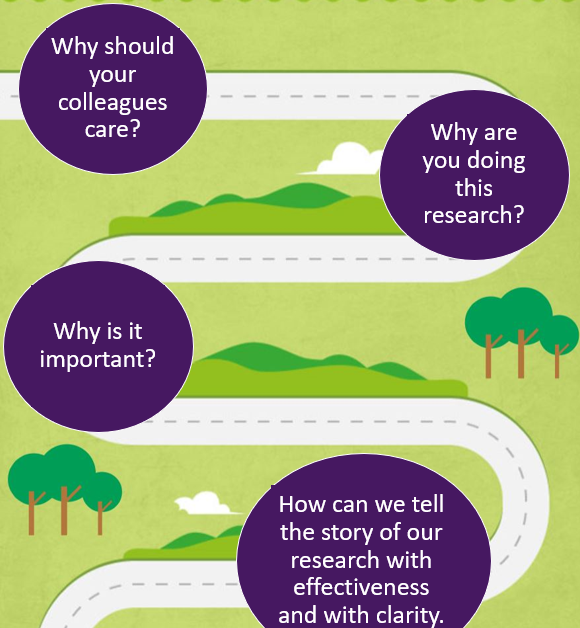
This #Take 5 blog is brought to you by Dr Katharine Jewitt, The Open University sharing thoughts on how Learning Developers can evidence impact. Impact – and what might get in the way In learning development, we want to have an impact and are required to attempt to prove impact. This can often be problematic in many ways, for example, how conscious are we of the true rationale behind our actions and what sort of impact are we trying to have anyway? How research-informed is our practice? Often we do things without being clear as to the assumptions that underpin the […]
#Take5 #93 A partnership approach to embedding academic literacies
This #Take5 is brought to you from Bethany Robertson and Angela Newton. Bethany and Angela are based at the University of Leeds as a Lecturer and Learning Advisor, respectively. A mission to embed academic literacies in the Sociology & Social Policy curriculum brought them together and led them to consider what successful ‘embedding’ looks like and their role in making it happen. This is their story. From periphery to priority The academic literacy sessions are designed for first year undergraduate students to aid the transition to undergraduate study (Chanock, 2007), to address inequities in learning expectations (Hubbard et al, 2020) […]

#Take5 #92 Exploring the Metaverse through Metaphor.
This #Take5 is brought to you from Professor Debbie Holley – Bournemouth University. We have all experienced the pandemic pivot – and now we are engaging with myriad interpretations of a post-digital world. This blog seeks to answer some of our niggling – and some of our deeper questions: what will our teaching and learning look like in the future? Will all the lecturers be in the university teaching students who are all at home? Just how ‘meta’ will our worlds be? With respect to the digital worlds we might inhabit: “The Metaverse is owned by Mark Zuckerman, the founder […]